A Note From Our Team
 There is a familiar shift in energy as the city moves out of winter and into spring. As the weather warms, it is great to get outside and enjoy our downtown with time in the park over lunch or a walk by the river.
As the season gets underway, events like Lowertown Sounds bring even more activity to downtown Saint Paul. This free summer concert series in Mears Park features live local music, food trucks, and community gathering on Thursday evenings throughout the summer.

At District Energy, we are already busy preparing for the warmer weather and the transition into cooling season. Warmer temperatures and longer days signal an important shift for both our system and the buildings we serve. Taking a proactive approach to startup and routine maintenance can reduce risk for both customers and the overall system.
Our team continues to focus on maintaining reliable service while supporting customers through seasonal transitions. As you prepare for cooling startup, it can be helpful to review recommended procedures and take a deliberate approach when bringing systems online. Adjusting equipment in stages, allowing time for stabilization, and fine-tuning system settings can help prevent common system issues. We have a catalog of resources for customers to help with maintenance and startup on our website. If support is needed as equipment is brought online, our team is available and happy to assist.
We are also looking ahead to our annual Customer Appreciation Day on Wednesday, May 6, 2026. This event is an opportunity for us to connect directly with many of you, hear about what is happening in your buildings, and better understand how we can continue to support your operations. We value these conversations and the feedback that comes from them. If you are interested in attending this event, please reach out to Gaoia Xiong at gaoia.xiong@districtenergy.com.
In addition to system operations, we are continuing to follow and support broader efforts tied to downtown Saint Paul. We want to recognize the leadership of Mayor Melvin Carter III and welcome Mayor Kaohly Her as she steps into her new role. We look forward to continued collaboration as the direction for downtown and the community continues to take shape. Ongoing revitalization efforts remain a critical part of the long-term vision for Saint Paul, and we recognize the role that reliable energy infrastructure plays in that work.
We appreciate the opportunity to serve your buildings and remain focused on supporting both current operations and long-term system needs. If you have questions or would like assistance, please reach out to our team at 651-297-8955 or info@districtenergy.com. We are here to help.
Sincerely,
Steve Rambeck
Vice President of Business Development and Commercial Strategy
Ask the Engineer: Air in the Hydronic Systems
Hydronic heating and cooling systems like District Energy St. Paul rely on the circulation of water to transfer energy throughout a building. For these systems to operate efficiently, the piping network needs to remain fully pressurized and completely filled with water.
One of the more common operational challenges in these systems is the presence of air, which can affect performance. Even small amounts of air in the system can reduce efficiency, create uneven heating or cooling, and lead to additional maintenance if not addressed early.
District Energy Building Connections
Buildings connected to district energy systems typically operate in one of two ways, either directly connected or indirectly connected via a heat exchanger.
Directly Connected Systems
In a directly connected system, the building’s piping is connected directly to the district system. The same water circulating through the district system also flows through portions of the building.
In these systems:
• The district system provides the hot or chilled water
• Building piping and coils are connected to the district network
• System pressure and water quality are largely influenced by the district system
Many of these buildings use internal pumps to circulate water through air handling units, fan coils, and other equipment. These systems are part of a larger network, meaning issues like air or pressure imbalances can impact both the building and the district system overall.
Indirectly Connected Systems
In an indirectly connected system, a heat exchanger separates the district system from the building loop.
In these systems:
• The district system transfers energy through a heat exchanger
• The building maintains its own closed loop system
• Building pumps, pressure, and water quality are managed internally
Given that the building loop is isolated, air issues generally remain contained within the building system; however, they can still result in performance problems if not managed properly.
Common Causes of Air in the System
Air can enter hydronic systems in a number of ways, especially during seasonal transitions or maintenance.
Some of the more common causes include:
• Initial system filling or seasonal startup
• Low system pressure conditions
• Maintenance activities where piping is opened
• Dissolved gases coming out of the water
• Small leaks in piping or system components
These conditions are fairly common, but if not addressed, can lead to larger operational issues over time.
Effects on System Performance
Air in the system can impact performance in several ways. Reduced heat transfer can occur when air collects in coils or piping, limiting how effectively water can move energy. Air pockets may also restrict flow, which can result in uneven cooling or heating across different areas of the building.
In some cases, air entering pumps can cause cavitation, which may lead to noise, vibration, and long-term wear on equipment. Air can also introduce oxygen into the system, increasing the potential for corrosion in piping and components.
Unusual noises, such as gurgling or rushing sounds, are often an early sign that air is present in the system.
Air Removal and System Management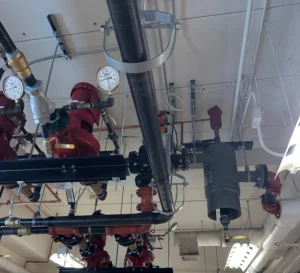 Managing air in the system is an important part of maintaining stable operation.
Common methods include:
• Manual air vents to release trapped air during startup
• Automatic air vents that remove small amounts of air over time
• Air separators that capture and discharge air from circulating water
• System purging during filling to push air out of the piping
Importance of System Pressure
Maintaining proper system pressure is one of the most important factors in preventing air from entering the system.
Correct pressure helps ensure:
• The system stays fully filled with water
• Air is not drawn in through seals or connections
• Pressure is maintained at higher elevations in the building
• Pumps operate under stable conditions
If pressure drops too low, air can be pulled into the system, especially at higher points in the building. On the other hand, excessive pressure can put stress on system components.

For directly connected systems, pressure is largely maintained by the district system, but building level issues can still require attention. With indirectly connected systems, maintaining proper pressure is the responsibility of the building system and operators.
The Solution: Maintenance and Monitoring
Air is a common, but often overlooked issue in hydronic heating and cooling systems. Whether a building is directly connected or uses a heat exchanger, managing air within the system is important for maintaining reliable operation.
By monitoring system pressure, removing air during startup, and addressing issues early, building operators can reduce performance impacts and avoid larger problems later in the season. Regular maintenance and monitoring can help sustain the dependable, efficient performance of these essential systems. If you or your team has questions about this process or anything related to your district energy connection, please contact our team at 651-297-8955, info@districtenergy.com, or through our online support request form.
Capital City Thermal
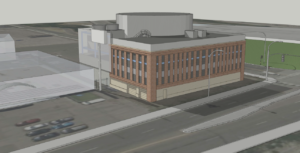
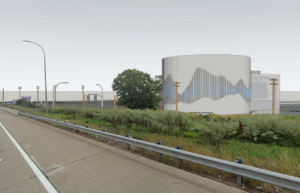
District Energy recently broke ground on a new chilled water facility at University Ave. and Mississippi St., the forthcoming Capital City Thermal Plant. This new facility will expand system cooling capacity, support continued growth across our customer base, and maintain reliable service for existing buildings.
As demand for cooling continues to grow across downtown, projects like this are important to ensure the system can meet both current and future needs. The plant will support long-term system planning and expand overall distribution capabilities.
We look forward to advancing this work and will continue to provide updates as the project moves ahead.
Celebrating Our Customers
We look forward to welcoming you to our annual Customer Appreciation Day on Wednesday, May 6, 2026. This event continues to be one of our favorite opportunities during the year to connect in person, share a meal, and spend time with our customers.
Customer Appreciation Day gives our team the chance to hear directly from you about what is happening in your buildings, your operations, and across downtown. These conversations help us better understand what matters most when it comes to your service, and where we should continue to focus our efforts.
We will also be launching our 2026 Customer Survey in coordination with the event. This survey is an important tool for gathering feedback and helping guide future improvements. We encourage you to participate and share your input, as it informs how we plan and prioritize work across our system. If you would like to join us for Customer Appreciation Day or would like to be notified about upcoming events, please contact Gaoia Xiong at gaoia.xiong@districtenergy.com.
Beverly Jones Heydinger Concludes Board Service

In 2025, Beverly Jones Heydinger retired from the District Energy Board of Directors after 6 years, concluding a period of service that helped guide the organization’s direction and long-term planning.
Beverly brought extensive experience in public utilities, regulatory policy, and energy systems to her role on the board. As former Chair of the Minnesota Public Utilities Commission, she provided informed perspective on complex regulatory and infrastructure decisions that continue to shape the energy landscape in Minnesota. Her background also includes many years with the Minnesota Attorney General’s Office, where she served in both assistant and deputy roles.
During her time with District Energy, Beverly played an important role in helping shape the organization’s carbon-free goal, and she contributed to the strategic action planning that followed. She was also a strong supporter of the Clean Heat Saint Paul initiative and provided valuable input as the organization worked through key efforts, including the extension of the power purchase agreement with Xcel Energy.
She also contributed to conversations on stakeholder engagement, including interactions with organizations such as the Citizens Utility Board, bringing a thoughtful and informed perspective that moved District Energy’s work forward and solidified our long-term vision for serving the Saint Paul community.
We are grateful for Beverly’s time, perspective, and commitment to District Energy. Her contributions have helped guide important decisions and will continue to have an impact on the organization for many years to come.
Take a Closer Look at 2025
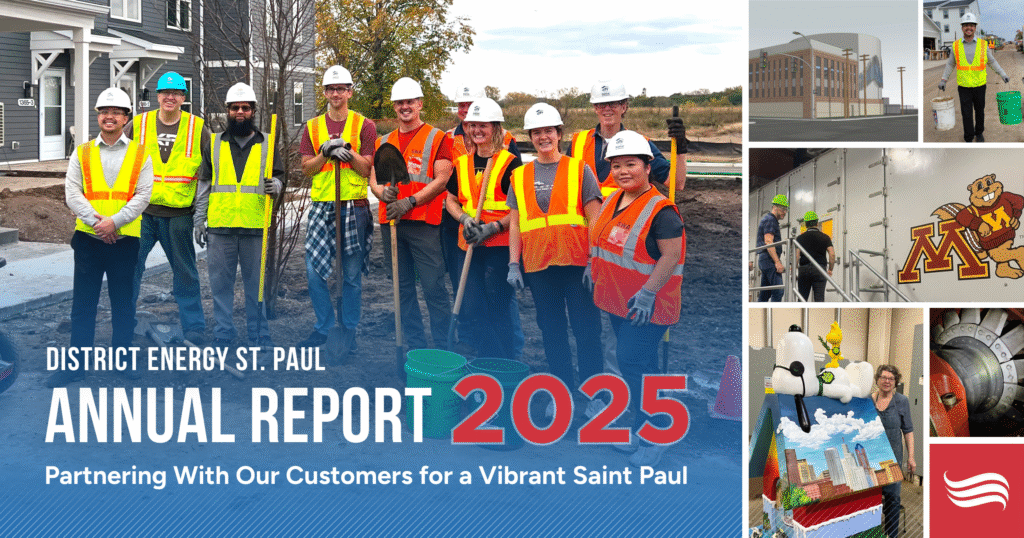
In our 2025 Annual Report, we shared updates on recent investments like the St. Paul Cogeneration turbine overhaul and continued evaluation of new technologies like geothermal and heat recovery. At the same time, we continued to invest in our community through initiatives like tree planting and local partnerships that make a lasting impact beyond our core operations.
We Are Hiring
Ever-Green Energy currently has job openings, and we would appreciate your help spreading the word out by sharing with your network. We have exciting opportunities available:
Field Superintendent Pipeline Construction
Saint Paul, MN, US
Loader and Grinder Operator
Saint Paul, MN, US
Instrumentation and Control Technician Meter
Minneapolis, MN, US
Plant Boiler Operator Senior Operating Engineer
Minneapolis, MN, US